Tarifa in Spring for Kitesurfing: What to Expect in April, May and June
If anyone asks me what the best time of year to come to Tarifa is, I always tell them spring. That isn’t a marketing line, it’s the honest answer you’ll hear from local riders and instructors who spend all year here. After years of kitesurfing, teaching and living in Tarifa, April, May and June consistently stand out.
Local wind statistics show that Tarifa has wind on around 300 days per year, driven by the Venturi effect created by the Strait of Gibraltar. Spring combines that reliability with moderate crowds, comfortable temperatures and a beach that still has room to breathe. Water temperature sits around 16–18 °C, and wind ranges from 15 to 35 knots. That balance makes spring ideal for both beginners and independent riders.
Spring Snapshot (April–June)
| Feature | April | May | June |
|---|---|---|---|
| Wind consistency | 75 % – transition month; mix of Poniente and Levante | 85 % – Levante establishes; longer wind window | 90 % – Levante strong and sustained |
| Primary wind | Poniente & Levante | Mostly Levante | Strong Levante |
| Average wind range | 15–35 knots | 15–35 knots; steadier | 20–40 knots (occasional strong Levante) |
| Water temperature | ~16 °C (3/2 mm full suit) | ~17 °C (3/2 mm or 4/3 mm) | ~18 °C (3/2 mm or shorty) |
| Crowd level | Very low | Low | Moderate |
| Suitability | Great for beginners, early-season progression | Ideal for intermediate riders and freestyle | Good for experienced riders pushing their limits |
This guide explains what spring in Tarifa really looks and feels like: wind patterns, water temperatures, the atmosphere on the beach and who this season suits. If you’re deciding whether a spring trip is worth it, you’ll finish with a clear sense of whether April, May or June aligns with your riding level and travel style.
Spring Is One of the Best Times for Kitesurfing Holidays in Tarifa
Most people assume summer is the peak. In a sense it is: energy is high, the beach is alive and the whole town is buzzing. Spring adds something important on top of summer’s energy: consistent wind, space on the beach and conditions that suit both learning and independent riding.
Tarifa’s wind doesn’t disappear when tourist numbers drop. The area experiences both Levante (east) and Poniente (west) winds almost year‑round. The Strait of Gibraltar funnels wind from both directions, creating a natural acceleration zone that works across all seasons. In spring, the Poniente still brings cooler, steady breezes and small waves, while the Levante begins to dominate with warmer, stronger and flatter conditions.
“Tarifa is a place every kitesurfer should experience at least once. Not just for the wind, but for what happens around it. People come here from all over the world. Different levels, different backgrounds, all drawn by the same conditions and shared energy.” — Liam
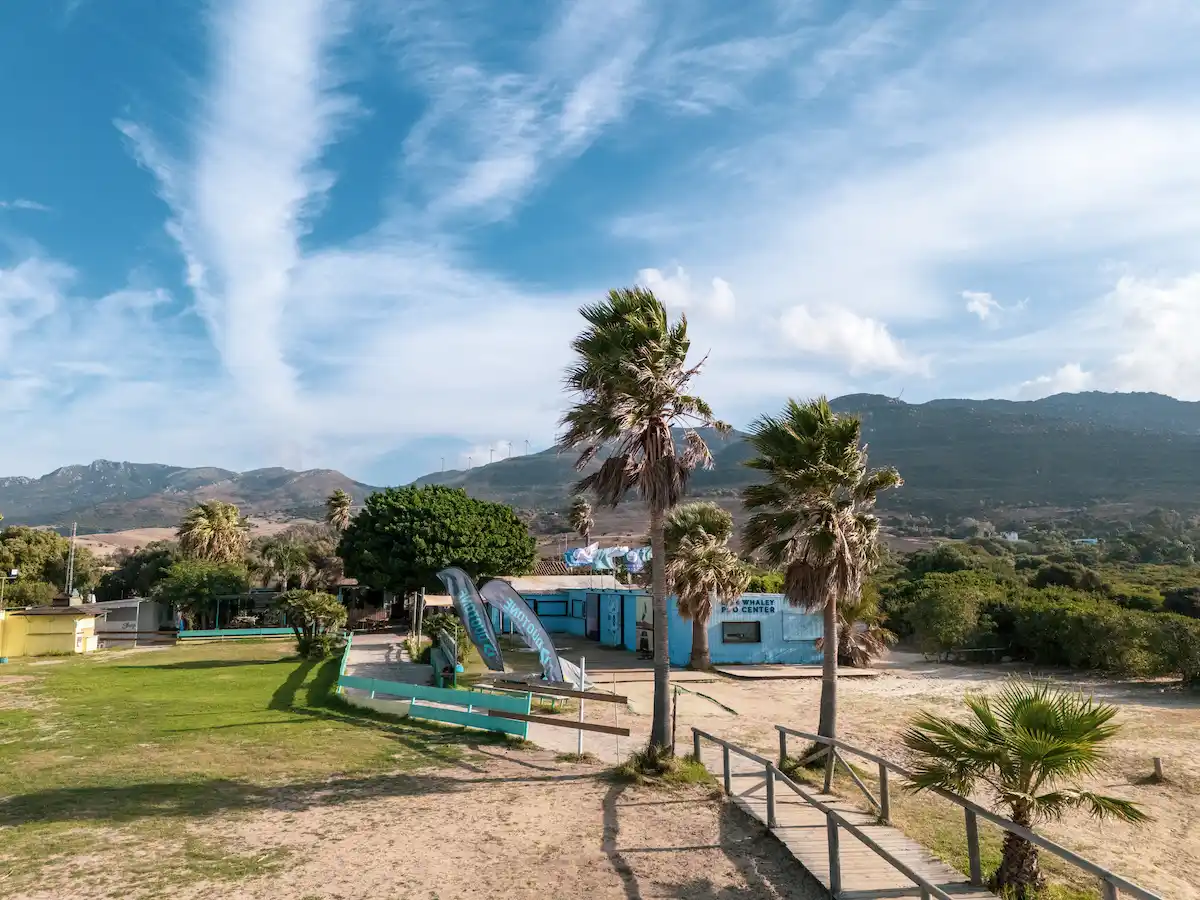
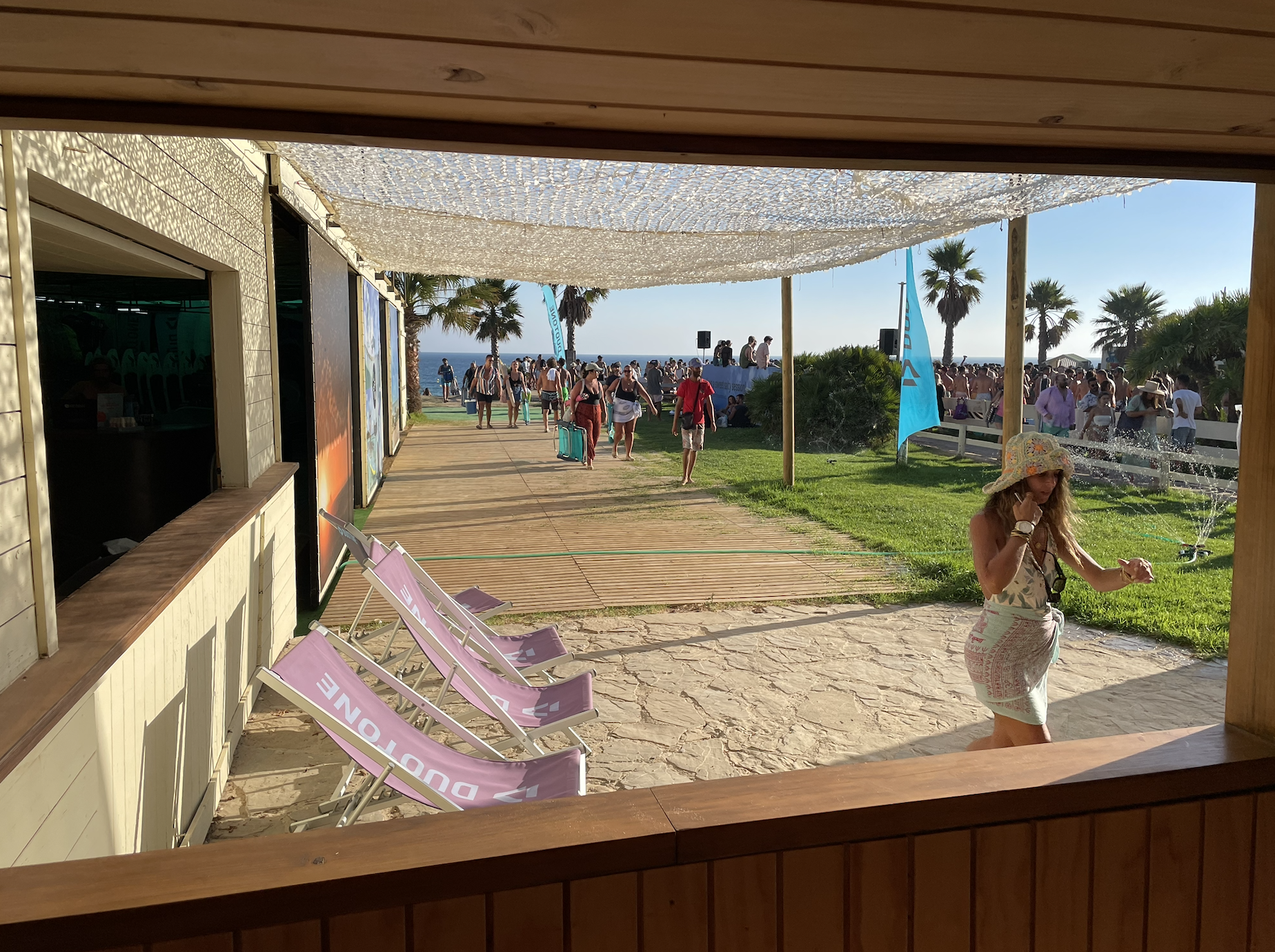
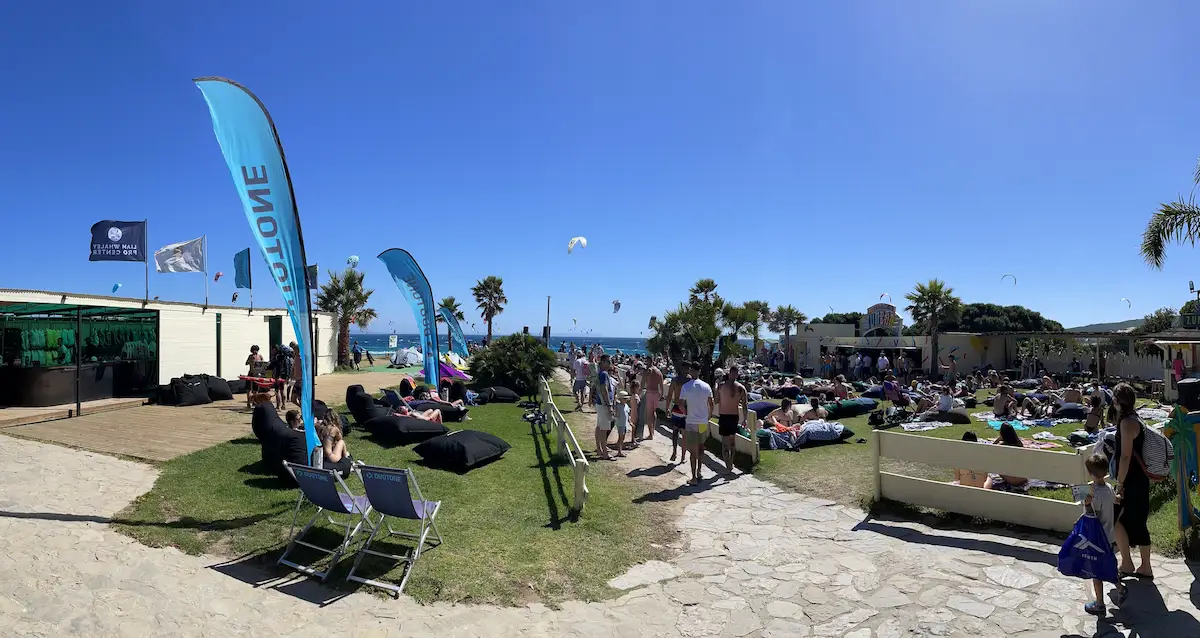
What changes in spring is the experience around your sessions, not the quality of the wind. At Valdevaqueros you arrive, set-up on the beach and walk straight into the water. After your session you can relax at a beach bar (chiringuito) with room to sit and watch the sunset. The light at this time of year, long mornings and golden evenings, makes every session feel like it happened somewhere special.
What the Wind Actually Feels Like in April, May and June
Spring in Tarifa isn’t a single wind experience; each month has its own patterns:
April – The Transition Month
April marks the start of the spring season. The Levante begins to arrive with real consistency, but you still get steady Poniente days from the west that bring small waves and cooler temperatures. Air temperatures typically reach 20–25 °C and water sits around 16 °C, so a 3/2 mm full wetsuit keeps you comfortable. For beginners this variety is excellent: the wind is readable and building gradually rather than arriving at full strength. You can experience both wind directions in one week—something high season rarely offers.
May – The Sweet Spot
By May the Levante shows its full character. Sessions become more consistent, the wind window extends through the afternoon and the water stays mostly flat. Many local instructors consider May the best month of the whole spring period. Intermediate riders will find open water and a steadier wind that makes progression (like upwind riding or transitions) feel natural. Water temperature is around 17 °C, so a 3/2 mm or 4/3 mm suit is comfortable.
June – Moving Toward Peak Season
June edges toward peak season levels. The Levante locks in for longer, sometimes blowing strongly for several days. Some days can reach 40 knots or more, which is why experienced riders love June. Water warms to 18 °C, so you can choose between a 3/2 mm full suit or a shorty. Crowds remain moderate in early June but increase as summer approaches.
⤷ To understand how events fit into the wind season, read our guide to kitesurfing events in Tarifa.
The Beach in Spring: Space, Day Light and a Different Pace
Valdevaqueros in spring feels like a different place compared with August. You can park easily, lay out your lines without tripping over anyone and launch with calm, focussed energy. Beginners benefit from this relaxed pace; your first hours on a kite happen in consistent but not overwhelming conditions
The light in spring is special—longer days and golden evenings. When you finish your session, the sun is still high enough for a drink at the beach bar. If you come from northern Europe, spring in Tarifa feels like a genuine escape: shorts and T‑shirt on land, a thin wetsuit in the water, and a climate that’s already warmer than home.
Valdevaqueros remains wild despite its popularity. Sand dunes anchor one side of the beach, a long open shoreline stretches in front of you, and a short walk leads to natural rock pools and hiking trails. There are no buildings pressing in; you feel free in a way that few kite destinations offer.
Planning your spring trip to Tarifa? If you want help organizing your lessons or rental around the forecast, reach out and we will help you choose the right setup for your dates and level.
Or call us directly: +34 681 286 516
Who Spring in Tarifa Is Really For
Spring suits different riders for different reasons:
- First‑time kitesurfers: Spring is one of the best windows to learn. The wind builds gradually (15–35 knots), the beach has space and the pace is relaxed. Your first hours on a kite happen in readable, consistent wind without heavy crowds.
- Intermediate riders: May conditions are ideal for consolidating technique. The Levante is consistent without being extreme, making it perfect for working on upwind riding, transitions or building hours in stronger wind.
- Independent riders: If you already ride comfortably, Valdevaqueros in spring offers open water and room to explore. Sessions feel spacious and the variety of wind directions keeps things interesting.
- Couples and small groups: Spring has its own atmosphere. The town is alive but not overloaded; you can enjoy beach days and evenings out without the logistical friction of high season.
⤷ Curious if Tarifa is a good place for your level? Read Is Tarifa a Beginner-Friendly Spot for Kitesurfing? What to Know Before You Go
Planning a Spring Trip to Tarifa: What You Need to Know
Spring is more flexible for planning than summer. Wind is consistent and reliable, but demand is lower. You can often organise lessons or rentals with shorter notice. The exception is Easter. Semana Santa, Spain’s Easter holiday, can fall in late March or April. During that week Tarifa fills up—accommodation, lessons and rentals book quickly. If your trip overlaps with Easter, book early and lock in your sessions ahead of time. Outside Easter week, the season remains easy to organise.
A few practical tips from our team:
- Getting there: Valdevaqueros is about a 15‑minute drive from Tarifa town, and there’s no public transport to the beach. Plan to rent a car or arrange a taxi so you can come and go on your own schedule.
- Forecasts: We use WindGuru to track the wind. Poniente days often deliver stronger thermal winds than forecast when the sun is out, while Levante sessions can feel gustier than the numbers suggest. Local schools adjust lesson times to make the most of each day’s wind window—feel free to ask for advice.
- Availability: A multi‑day trip in spring almost guarantees wind. On the rare day the wind doesn’t show up, Tarifa offers plenty of alternative activities—hiking in the Alcornocales Natural Park, mountain biking, climbing, surfing if there are waves, diving and exploring the old town. In spring there’s often an event to watch too: the Full Power Tarifa Big Air competition typically runs during April or May and brings some of the world’s best riders to Balneario beach. If your trip coincides with this event, you’ll get a front‑row seat to one of kiteboarding’s most exciting contests.
Kitesurfing in Spring: What Beginners and Independent Riders Can Expect
If You Are Learning
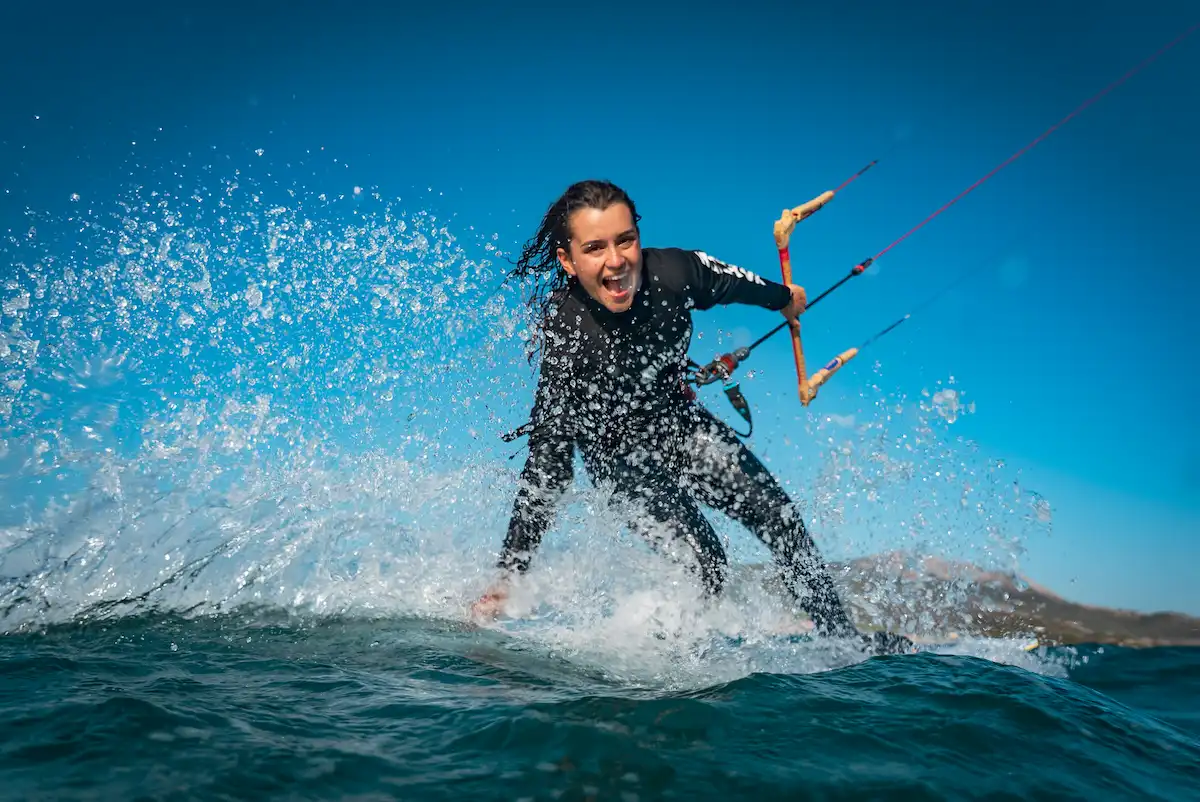
Spring conditions support structured learning extremely well. The Levante in spring has real character from the first days, yet it builds gradually through the season, which helps beginners learn without being overwhelmed. Your sessions start with moderate wind and increase in strength as you progress. A relaxed beach environment means you can rig, launch and land at your own pace without feeling rushed
At the Liam Whaley Pro Center we use short‑line kites for your first exercises, radio helmets to stay in constant contact and a rescue boat on standby. Lessons take place mostly in the water because Tarifa’s wind can be gusty on land. We also conduct a level check before rentals: to hire gear you need to demonstrate safe launching and landing, riding upwind and self‑rescue.
⤷ If you’re considering a course, our lesson page has all the details to plan your sessions.
Progression in kitesurfing comes from repetition and time on the water. Spring provides both. You can plan multi‑session days and spend real time practising basic skills. When the wind picks up, our instructors will switch kite sizes and keep you comfortable, our rental quiver includes everything from 3 m to 15 m kites along with wetsuits, helmets and life jackets. We also offer free parking, showers and a chill‑out zone so you can relax between sessions.
If You Already Ride Independently
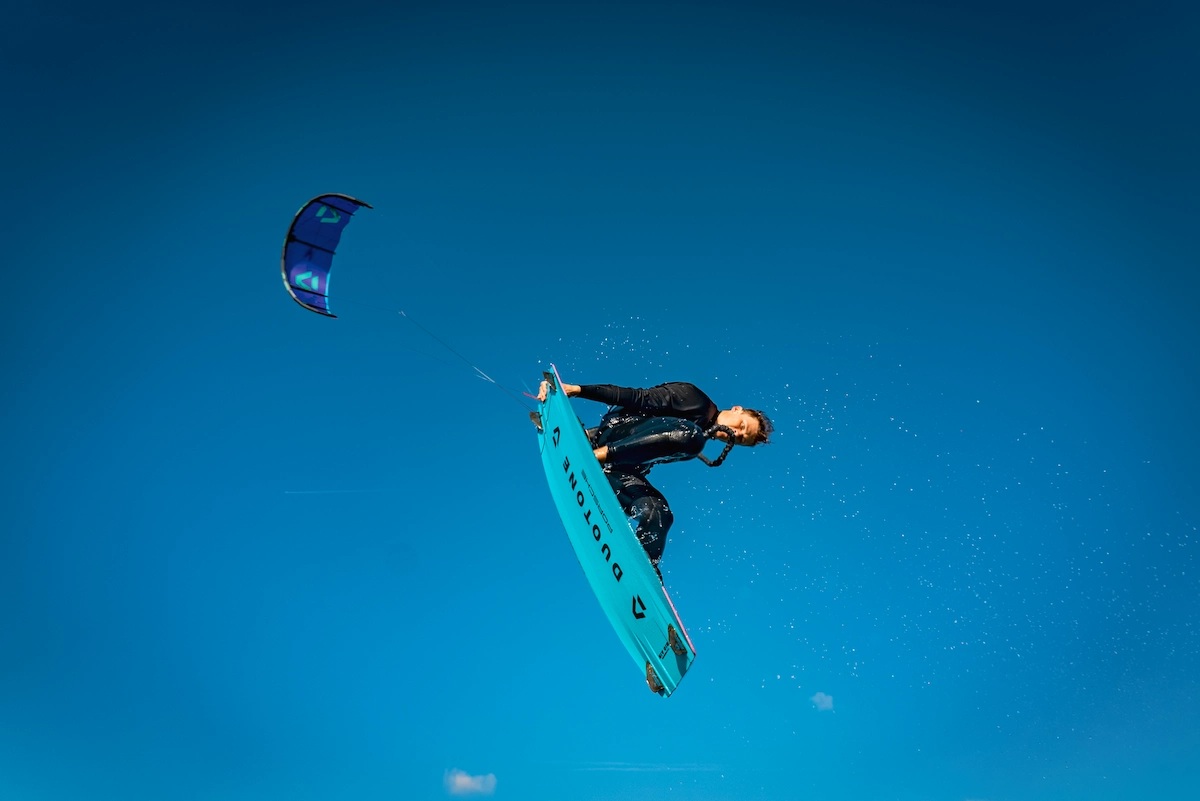
Experienced riders love spring for its variety. Levante and Poniente alternate, giving you sessions that range from flat‑water freestyle to small waves with side‑onshore wind. Levante in May builds through the day; sessions that start moderate often strengthen as the afternoon progresses. This natural progression within a single day helps you push your limits without feeling unsafe.
Tarifa isn’t the easiest spot in Europe, and that’s part of what makes it valuable. Riding here across different wind directions and varying conditions prepares you for any place in the world. Many riders leave Tarifa in June feeling more complete than when they arrived.
⤷ If you need gear, our rental page offers details on equipment and availability. Premium options include Duotone SLS kites, carbon boards, and the freedom to switch between disciplines (kite, windsurf, wing foil) during your rental.
Easter in Tarifa: The One Busy Week to Plan Around
Spring is calm for most of its duration; Easter week is the exception. Semana Santa falls in late March or April and acts as the start signal for Tarifa’s season. During this week the town fills up, the beach sees more visitors and demand for lessons and rentals spikes. The event often overlaps with early rounds of competitions like Full Power Tarifa, making it extra lively.
Planning tip: if your trip overlaps with Easter, book accommodation and sessions early. After Easter the pace drops back almost immediately, and spring returns to its normal rhythm.
What Tarifa Offers When the Wind Drops
Windless days in spring are rare, but Tarifa has enough to fill them:
- Alcornocales Natural Park—a vast cork‑oak forest behind Tarifa—has hiking and mountain biking trails for all levels. Some routes climb high enough to give views over the Strait of Gibraltar and across to Morocco.
- Old town Tarifa is worth a morning on any day. The city walls, narrow streets and mix of Spanish and Moroccan character make it unique on this coast. Enjoy coffee and tapas, browse local shops or visit historical sites.
- Whale and dolphin watching tours leave from the harbour between April and October, giving you the chance to see pilot whales, sperm whales and dolphins in their natural environment.
- Hikes and day trips: explore the Betis/Buddha hike overlooking the Atlantic, head to Bolonia to visit Roman ruins and natural dunes, or wander along Punta Paloma beach. When conditions are right, you can also surf, dive or ride horses along the coast.
- Occasionally, major competitions like Full Power Tarifa or other kite events coincide with spring, giving you world‑class big‑air action to watch.
Frequently Asked Questions
Is April a good month to kitesurf in Tarifa? +
Yes. April offers reliable wind with a mix of Poniente and Levante, temperatures around 20–25 °C and water about 16 °C. The wind is readable and gradually strengthening, making April ideal for beginners and intermediates. The beach is quiet and accommodation more affordable.
What wetsuit do I need for kitesurfing in Tarifa in spring? +
A 3/2 mm full wetsuit is comfortable from April onward. Water temperature is around 16–18 °C. In May and June you may switch to a 3/2 mm or shorty. Some riders use a 4/3 mm if they feel the cold more.
Is spring better than summer for learning to kitesurf in Tarifa? +
In many ways, yes. Spring wind, usually around 15–35 knots, is consistent and readable, building gradually through the season. The beach has space and the rhythm is calm, which helps beginners focus. Summer is excellent for experienced riders, but spring is often the better window for those building foundations.
When is Easter in Tarifa and how does it affect the season? +
Easter, or Semana Santa, shifts each year and can fall in late March or April. During this week Tarifa experiences peak-season crowds and high demand for accommodation, lessons, and rentals. If your trip overlaps with Easter, book early. Outside Easter week, spring returns to its relaxed pace.
What happens if there is no wind during my spring trip? +
Windless days are rare because Tarifa enjoys wind on around 300 days per year. If the wind drops, there are plenty of activities: hiking and biking in Alcornocales Natural Park, whale and dolphin watching, day trips to Bolonia and Punta Paloma, surfing when there are waves, diving, horseback riding, exploring Tarifa’s old town, or watching events like Full Power Tarifa.
Can I rent kitesurfing gear in spring without taking lessons? +
Yes, if you already ride independently. Rental services in Tarifa are designed for riders who can launch and land safely, ride upwind, and recover their board. Schools generally check your level before renting gear. Contact a school before you arrive to organise equipment and check availability.
Do I need to plan my spring trip far in advance? +
Not usually, unless your dates include Easter week. Outside of Semana Santa, spring is flexible: there’s good availability for lessons, rentals, and accommodation. Plan ahead if you need specific instructors or gear, but you can often finalise details a few weeks before arrival.
Final Thoughts and Next Steps
Spring in Tarifa combines consistent wind, comfortable temperatures, and a relaxed atmosphere. April, May and June offer open beaches, reliable Levante and Poniente winds, and a genuine connection to Tarifa’s kiting culture. Whether you’re learning your first waterstart or pushing big air tricks, spring is one of the best times to experience this spot.
Ready to ride? Explore our lessons & courses, check out our rentals if you’re an independent rider, or get in touch