
Levante vs Poniente for Wingfoil Lessons in Tarifa
Both winds can work well for wingfoil lessons at Valdevaqueros. Poniente usually brings more consistent wind, making the wing easier to control. Levante can bring flatter water, which helps you stand on the board. A bit more wind can also help with your first flights. We look at the gusts, the water and what you’re learning before choosing what to practise.
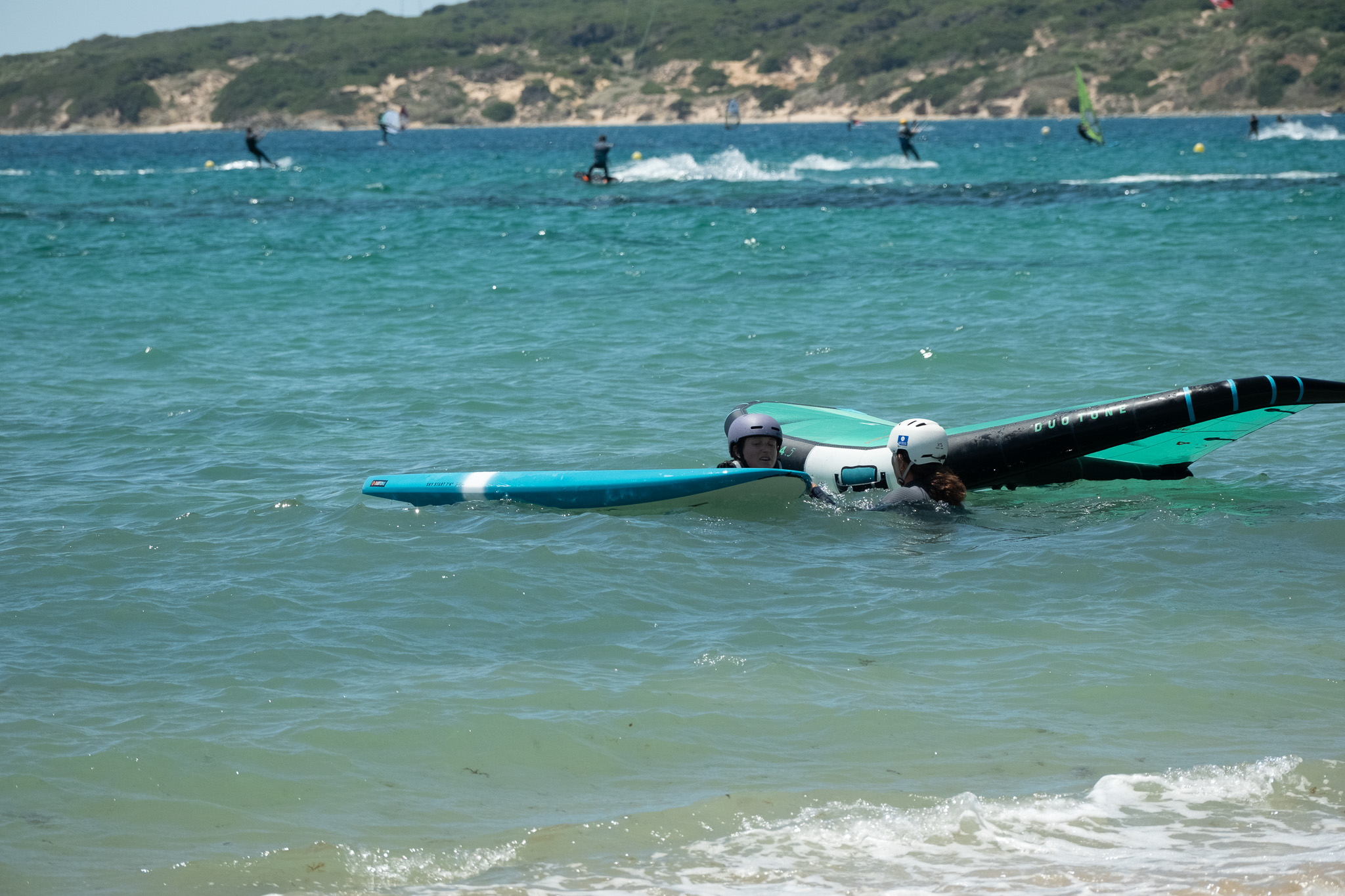
On some stronger Levante days, wing can be a good alternative to a kite lesson. Many beginners find it less intimidating: you hold the wing close, without long kite lines, and a big beginner board gives you somewhere to kneel or sit between attempts.
You can practise steering and controlling the wing while the board stays on the water. Getting up on foil comes next: you build enough speed for the foil underneath to lift the board above the surface.
Not sure what the wind means for your wingfoil lessons?
Tell us your travel dates and any questions about Levante, Poniente or the conditions at Valdevaqueros. We'll help you understand what to expect and plan your lessons.
Prefer to talk? Call us at +34 681 286 516.
Levante vs Poniente: what changes during a wingfoil lesson?
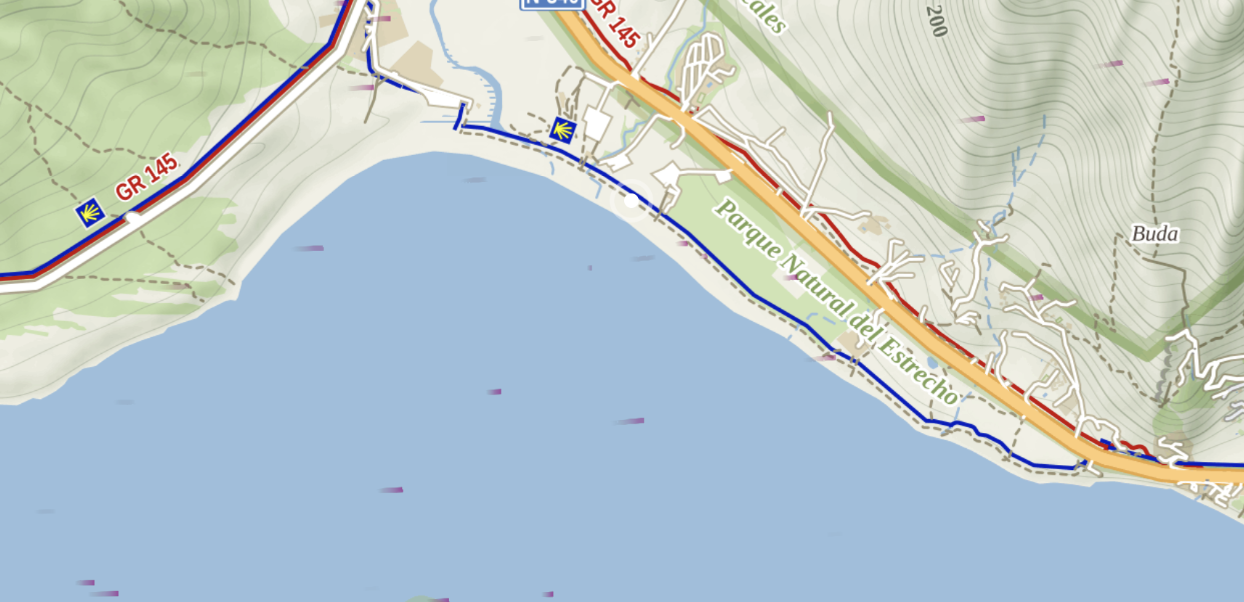
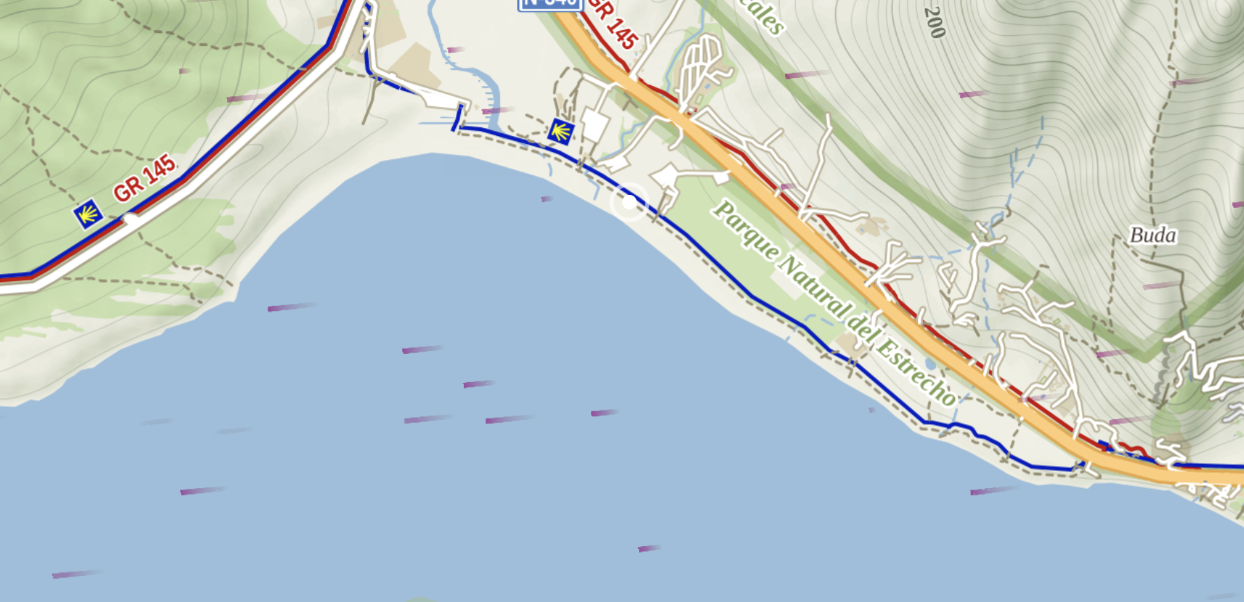
Levante blows from the east, Poniente blows from the west. At Valdevaqueros, that changes how the wing feels, how choppy the water gets and which way you drift.
-
Wind: Poniente is usually more consistent, so the wing’s pull changes less. Levante is often gustier. You feel more pull when a gust comes through, then less as the wind drops.
-
Water: Poniente can bring chop and waves that make balancing harder. Levante can be flatter near shore, helping you stand up. Strong wind and incoming swell can still bring chop and waves.
-
Direction: Poniente blows across the beach and towards shore, called side-onshore. Levante blows across the beach and away from shore, called side-offshore. That affects where you drift while practising.
-
Learning: Poniente helps you get used to controlling the wing with fewer changes in its pull. Flatter Levante water can help with balance, and more wind can help you build speed for your first flights.
-
What we check: In Poniente, is there enough wind to get you moving, and can you balance in the chop? In Levante, we also watch the stronger gusts and how you drift away from shore.
Poniente → Wind from the west, towards the east
Levante ← Wind from the east, towards the west
Chop is the small waves that rock the board. Gusts are short bursts of stronger wind; between them, the wind drops. Beginners often drift with the wind. In Levante, that means away from shore, which is why rescue-boat support matters.
Is Poniente easier for beginner wingfoil lessons?
Poniente often makes the wing easier to control because the wind is more consistent. But chop can make standing up harder. You might feel comfortable holding the wing and still struggle to get onto your feet.
With fewer changes in the wing’s pull, you can practise where to hold it, standing up and steering without as many gusts interrupting.
Chop keeps rocking the board. How much you get depends on the wind strength and how long it’s been blowing. Swell, waves arriving from farther out at sea, can bring bigger waves too.
Consistent wind doesn’t make every part of the lesson easy.
Poniente can build during the afternoon
On some sunny Poniente days, the land warms and a thermal breeze builds during the afternoon. A forecast of 10 knots can sometimes turn into 20 at Valdevaqueros. A morning that looks too light may still give you a chance to get out later.
That extra wind can help you get moving or try your first flights. It may also make the water choppier, so we check both. This doesn’t happen every day, and you can’t add a fixed number of knots to the forecast.
Poniente can feel cool when you’re wet and taking a break. Your lesson includes a wetsuit chosen for the weather and water that day.
Can beginners learn to wingfoil in Levante?
Yes. On some stronger Levante days, wing can work well when a beginner kite lesson wouldn’t. We choose your gear around what you’re practising and how much wind and chop you can comfortably handle.
-
Flatter water helps you find your balance. When Levante brings flatter water, the board rocks less and standing up is easier. Strong wind can still build chop, and swell can bring waves. If you can’t practise comfortably, we wait.
-
You can keep practising when the wind drops. The wing’s inflatable frame holds its shape, so you can cruise slowly, find your balance and use the next gust to build speed or get up on foil. You don’t have to relaunch it like a kite that has fallen onto the water. If the wind stays light, you’ll slow down and feel more of the wing’s weight in your arms. You still need a wing you can control in the strongest gusts.
-
A smaller wing lets you practise without flying. A big beginner board supports you while you work on standing, steering, changing hands and riding both ways with less pull. With a kite, you need enough power to pull yourself out of the water for a water start. With a wing, you’re already on the board.
-
The board and foil matter too. Matteo Micheletta, our instructor manager, describes using a 170-litre board with a large front foil, the underwater wing that lifts you up. That’s one beginner setup, not the right size for everyone. The board helps you float and balance when the wind drops; the foil affects how you take off and fly. Duotone’s equipment guide explains the differences.
-
More wind can help with your first flights. Liam Whaley, our founder, explains that beginners often need more pull because they’re still learning how to build speed, especially in chop. We might use a smaller wing while you practise on the surface, then choose one with enough power to get you moving and up on foil when you’re ready.
Our first wingfoil lesson guide explains how we introduce wing handling and board control.
Why can wingfoiling feel less intimidating?
For many beginners, holding the wing close and having a board to rest on feels less intimidating than kite or windsurfing.
There are no long kite lines. The wing’s main frame is inflatable, unlike a windsurf sail’s rigid mast and boom, although some wings have rigid handles or a boom.
You can let go of the handles when you need a break. Its leash, a tether connecting it to you, keeps it attached.
A big beginner board gives you somewhere to kneel or sit. A kiteboard floats too, but it doesn’t support your body in the same way.
Holding the wing and climbing back onto the board still take effort. Being able to pause gives you a chance to recover before trying again.
Our kitesurfing versus wingfoiling guide explains what learning each sport is like.
Does chop feel different once you’re on foil?
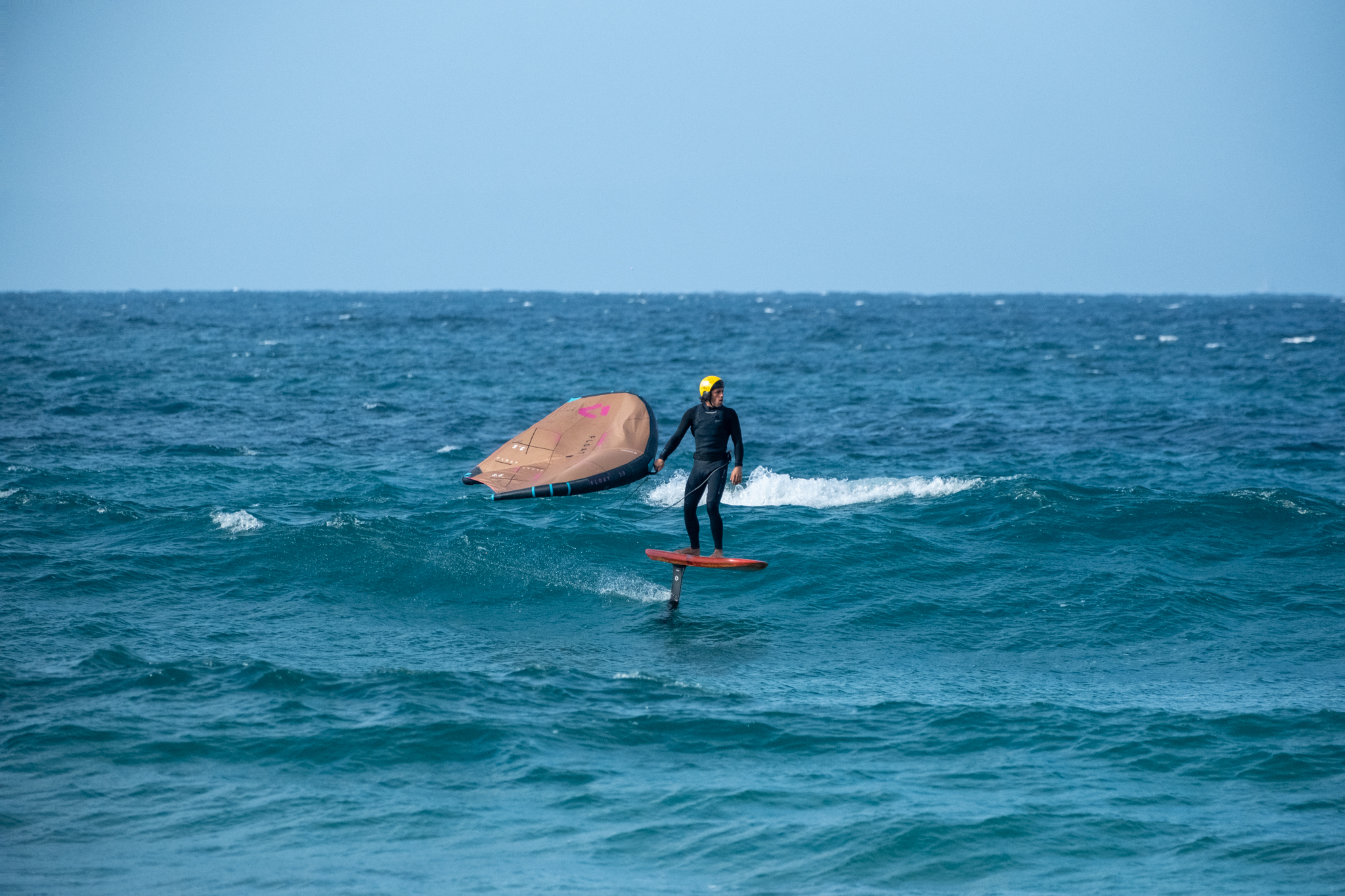
Yes. Once you’re flying, the board rides above the surface instead of bumping through every small wave. Liam describes feeling less chop through his knees, making the ride smoother.
Standing up and building speed can still be tricky. Once you lift off, you work on height and balance. When you touch down, the board is back in the chop.
An experienced wingfoiler may enjoy a choppy day while a beginner nearby struggles to stand up. They’re working on different parts of the ride.
How much wind do you need for wingfoil lessons in Tarifa?
Your first lesson can start with around 5 knots while you get familiar with the wing and board. Once you’ve had a couple of lessons and you’re practising riding, it helps to have at least around 14 knots. For your first flights, around 20 knots can make it easier to build speed and get up on foil, especially in chop. We choose your setup around your weight, level and the conditions that day.
| Learning stage | Practical wind reference | What you can work on |
|---|---|---|
| First lesson | Around 5 knots | Getting used to the wing and starting to move on the board, if the gear and water conditions allow. |
| After a couple of lessons | At least around 14 knots | Combining balance, wing control and riding. It depends on what you can do, not just how many lessons you've had. |
| First foil flights | Around 20 knots can help | Building speed for takeoff, with the right wing size and manageable gusts and water. |
Knots are the wind-speed units used in marine forecasts.
These numbers are not universal minimums or safety limits. What works depends on your weight, gear, control and the water. An average of 20 knots with small changes feels different from 20 knots with much stronger gusts.
Enough pull helps with first flights while you’re learning to build speed, especially in chop. As you improve, you can get up on foil in lighter wind.
Can you practise without wind?
You don’t need wind to practise every part of wingfoiling. With the right board and water conditions, you can work on balance and practise changing hands.
Matteo describes the learning in three parts:
“One is stability, one is wing control and one is flying technique.”
We can practise those separately. You still need wind to sail across the water and get onto the foil. We’ll talk through what you can usefully practise that day, or whether it’s better to wait.
If you’re taking a day off the water, here are some ideas for what to do in Tarifa on no-wind days.

Can I still make progress in changing wind conditions?
Yes. You might have Levante one day and Poniente the next. We adjust your gear and give you time to get used to the change before carrying on.
Say you were standing and riding comfortably in fairly flat Levante water. The next day, Poniente brings chop that keeps moving the board under your feet. We might go back to standing and short rides before trying to get up on foil.
Or you’ve had a couple of sessions in consistent Poniente, then get gustier Levante. The wing pulls harder, then feels lighter as the wind drops. We might use a smaller wing and practise handling that while riding on the surface. Once you’re comfortable, you can use a gust to build speed.
If the wind is lighter, you might work on steering, turning or changing hands instead of trying to fly. You’ll use those skills when you’re on foil too.
Going back over an exercise doesn’t mean you’ve gone backwards. Standing in chop feels different from standing on flat water, just as gusty wind feels different from consistent wind. Getting used to both helps you ride on more days.
Your instructor can talk to you through a radio helmet or headset, helping you move your feet or adjust the wing. If it isn’t clicking, we can stop, go through it together and try again.
Our wingfoil progression guide explains the steps towards your first flights and riding upwind, making your way back towards where the wind comes from so you can return to where you started.
Children and lighter learners need their own setup
The same wind can feel very different depending on who’s holding the wing.
Matteo describes using small wings with children and practising wing handling separately from board balance when it helps. We look at their size, confidence and control, along with the gusts and water.
Our guide to wingfoiling for kids in Tarifa answers questions about getting your children started.
Getting in and out of the water
We need enough space and water depth for the foil, with waves you can get through. Water that looks flat beside the sand may be too shallow to ride.
Shorebreak is waves breaking close to the beach. Getting the wing and board through them can take help and timing, even if the water farther out looks easier.
Your instructor chooses where to get in and shows you how to handle the gear. As the tide changes the depth and space near shore, we may change where you enter or come back in.
Resting and paddling back
A big beginner board lets you kneel or sit for a break. You can also lie down and paddle when conditions allow. Your instructor shows you what to do with the wing while you paddle.
When the wind and water allow, you can paddle back without riding. The RYA’s introductory wing syllabus also includes this as a basic self-rescue skill.
Strong Levante blowing away from shore can make paddling back harder. Your instructor helps you decide when to paddle and when you need rescue support.
Our instructors carry radios to communicate directly with the rescue boat. Rescue support is included during lessons in both winds.
Should you plan your wingfoil lessons around Levante or Poniente?
Both winds can work. Keep a few days free for lessons so we have more chances to get you out. Matteo remembers a three-day trip with rough Levante and waves. The visitors practised the basics but had little time to wait for easier conditions.
If you’ve had lessons before, tell us what you can do. “I can stand and ride, but keep drifting downwind” tells us more than how many hours you’ve had.
Ready to plan your wingfoil lessons in Tarifa?
Tell us your travel dates, experience and any questions about the conditions at Valdevaqueros. We'll help you choose the right starting point for your lessons.
Prefer to talk? Call us at +34 681 286 516.
KEEP EXPLORING
Related guides for learning wingfoiling in Tarifa
Beginner wingfoil conditions
Is Tarifa a Good Place to Learn Wingfoiling? →
Find out how wind, water conditions, equipment and lesson timing affect complete beginners at Valdevaqueros.
Learning progression
Wingfoil Progression: From Day One to Independent Riding →
Follow the steps from wing control and balance to first foil flights, upwind riding and independent sessions.
Kitesurfing wind comparison
Levante vs Poniente for Kitesurf Lessons in Tarifa →
See how the same two winds affect kite control, water starts, waves and beginner kitesurfing lessons.
Latest News
- Levante vs Poniente for Wingfoil Lessons in Tarifa
- Levante vs Poniente for Kitesurf Lessons in Tarifa
- Is September a Good Month to Learn Kitesurfing or Wingfoiling in Tarifa?
- Am I Ready to Rent Kitesurfing Gear in Tarifa? (Or Do I Need More Lessons?)
- Wingfoiling for Kids in Tarifa: What Parents Should Know Before Booking
- Kitesurfing or Wingfoiling for Kids in Tarifa: Which Should They Try First?
- What Will You Learn in Wingfoil Lessons in Tarifa? From Day One to Independent Riding
- Is Tarifa a Good Place to Learn Wingfoiling? What We Tell Beginners Before They Book
- What Happens in Your First Wingfoil Lesson in Tarifa? We Get Asked This a Lot
- Am I Too Old to Learn Kitesurfing at 50 or 60 in Tarifa?